Inherited knowledge
Ujagar Lal and Ajay Sharma describe a broken chain between parent and child. Knowledge survives in hands, tools and remembered places; it needs opportunities to be practised, not only stored.
COLLECTION 01 / ORAL HISTORIES
Listen to master masons, working artisans and their families. These accounts preserve memories of skill and change, including voices that disagree.
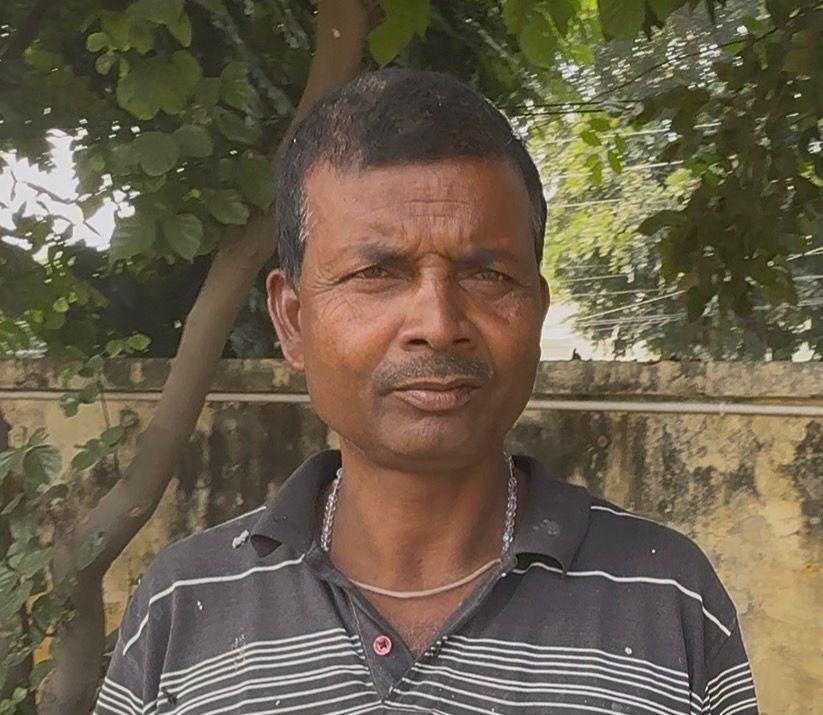
Patience / Identity
The patience of plaster
“Cement has made our minds like cement—hard, dry, prone to cracking. Lime used to teach us patience. When you spend 15 days malleting a single plaster …”
Read the testimony
Community / Materials
A shared mortar, a shared world
“Our elders used to say that inside the lime pit, there is no religion. In the ancestral havelis of Amritsar, Hindu, Muslim, and Sikh masons worked wit…”
Read the testimony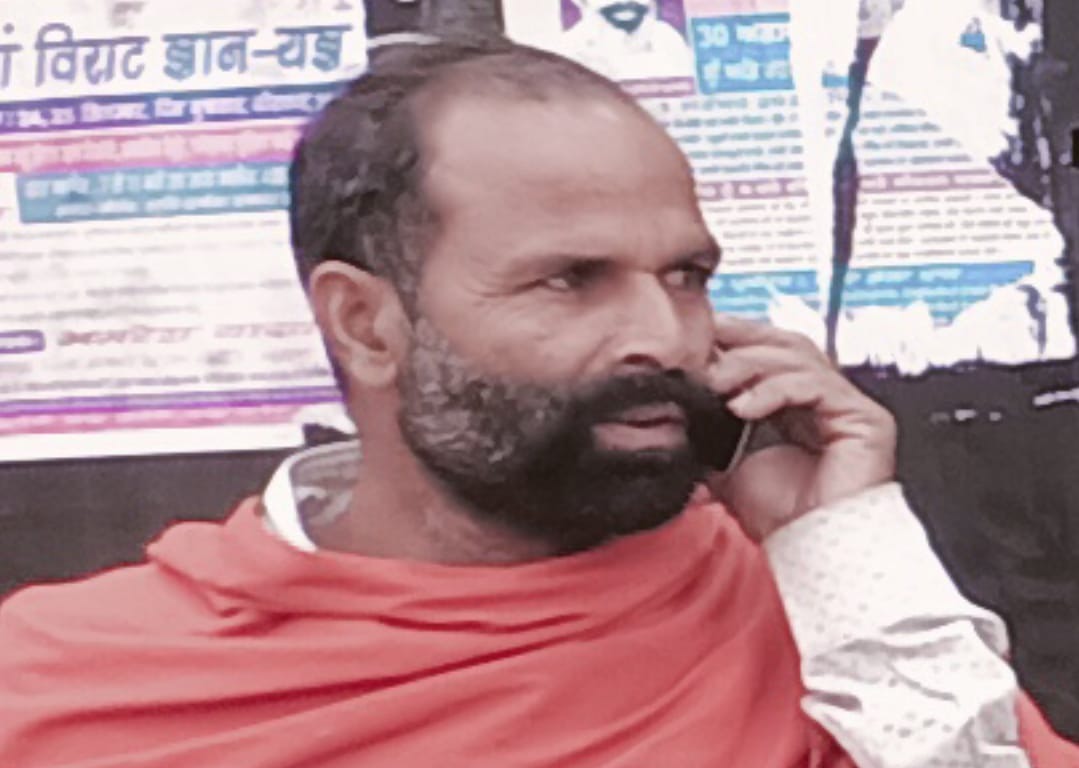
Inheritance / Livelihood
The last lamp of a lineage
“I physically pulled my son’s hands away from the lime pit. I told him, “Son, this lineage ends here; go learn carpentry or cast concrete slabs.” My fa…”
Read the testimony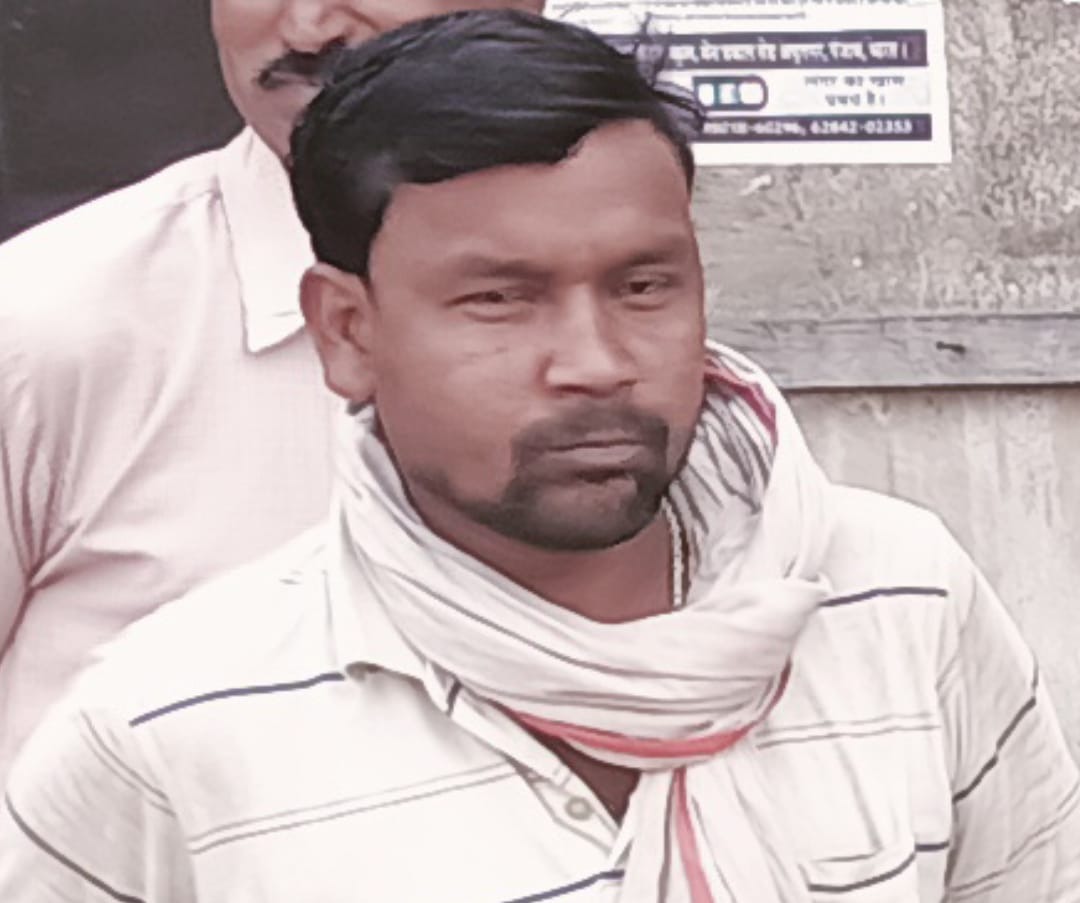
Identity / Materials
Fifteen years learning a mirror finish
“I spent fifteen years of my life mastering Araish—the mirror-finish lime burnishing. We would rub the stone against the damp lime day and night using …”
Read the testimony
Community / Patience
The music of the workshop
“Earlier, our workspaces had music—the rhythm of wooden mallets during thathai created a beat. Masons would sing folk couplets or tales of Heer while c…”
Read the testimony
Inheritance / Identity
Tools as ancestral signatures
“My grandfather’s tools—wooden float trowels, agate burnishing stones, and horsehair sieves—are rusting inside a chest under my bed. I cannot throw the…”
Read the testimony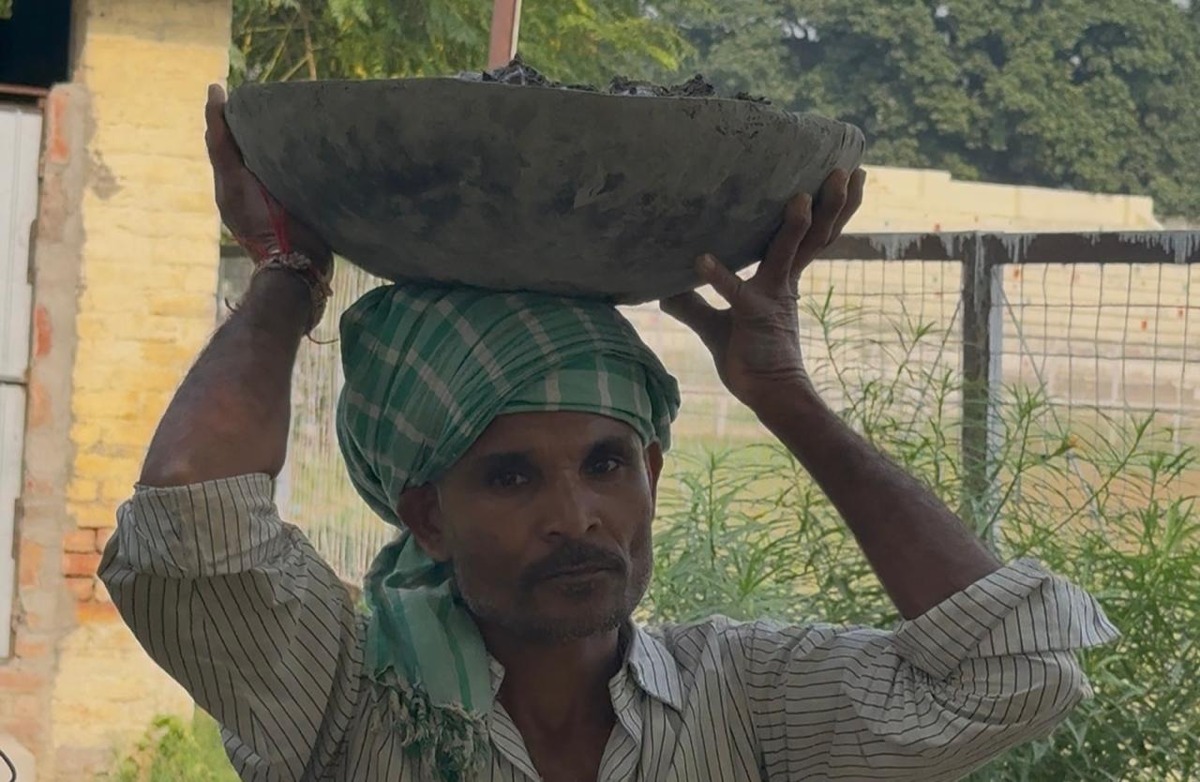
Identity / Community
From Ustad to daily-wage hand
“When you’ve spent 40 years listening to the sound of mortar, knowing exactly when the lime is thirsty and when it is satiated, and then a 20-year-old …”
Read the testimony
Sewa / Materials
Building as sacred service
“In historic Gurdwaras, we treated lime application as sacred service (sewa). Applying lime was considered pious because it gave a structure 500 years …”
Read the testimony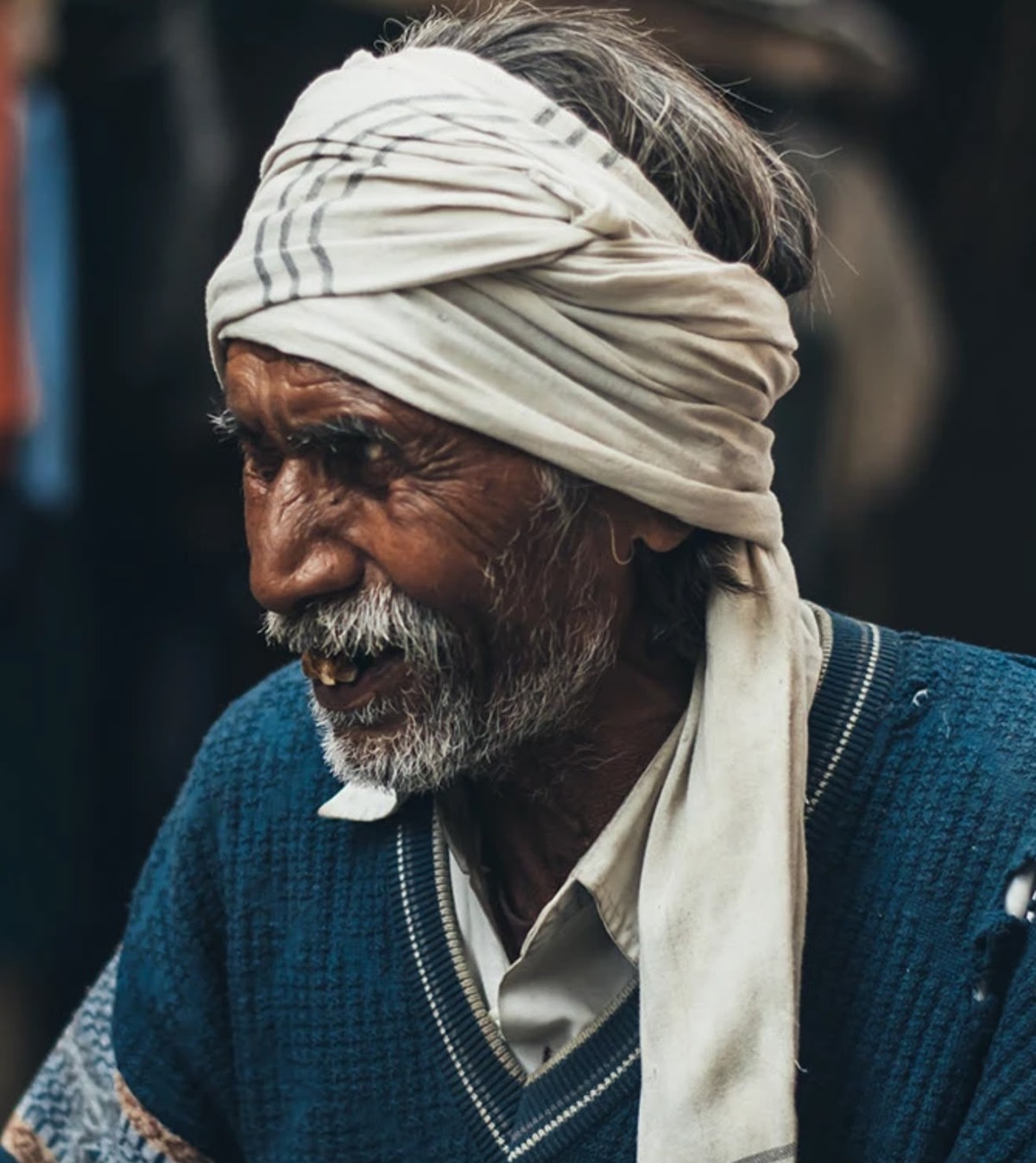
Community / Identity
A craft across regions
“We came from Rajasthan to Punjab because the patrons of Punjab truly understood the soul of lime plaster in their havelis. Amritsar became our second …”
Read the testimony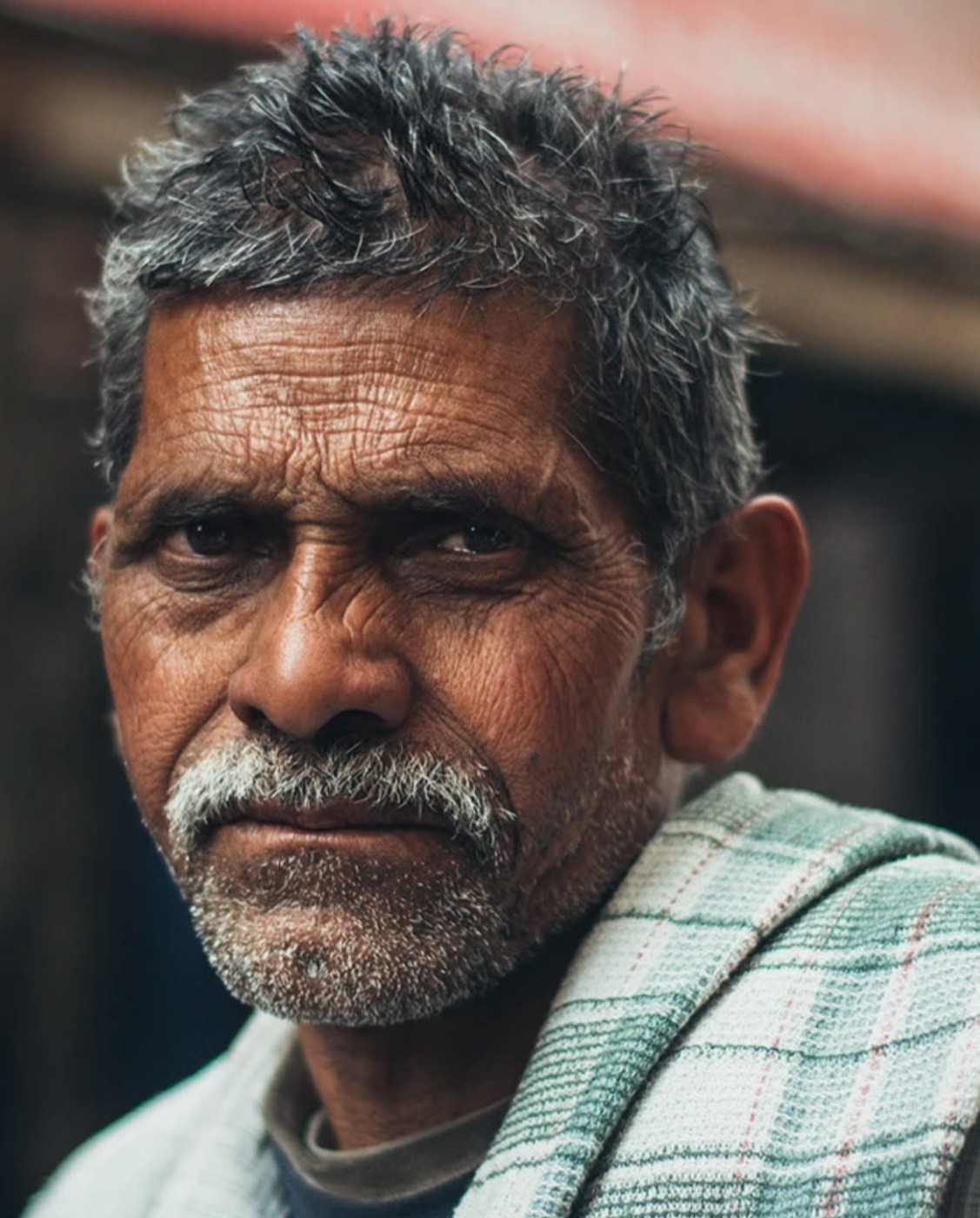
Health / Identity
The marks on a working hand
“Working with lime kept our hands cool; the skin retained moisture because we mixed jaggery and oils into it. Cement has literally burned away the fing…”
Read the testimony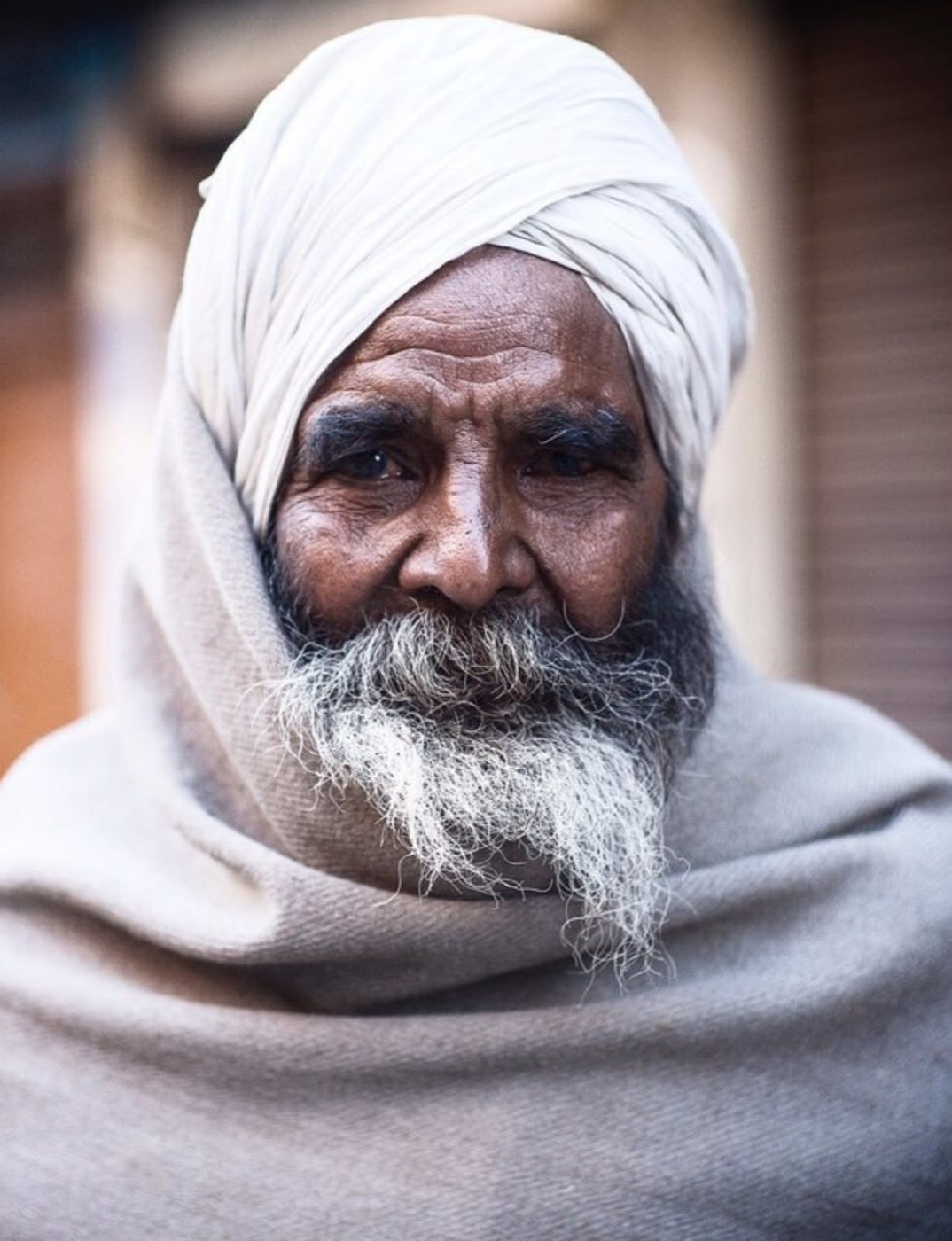
Materials / Identity
Remembering the old city gates
“I am 80 years old. I applied lime to the historic entry gates (deordis) of Amritsar with my own hands. Now when I see people slapping cement plaster o…”
Read the testimony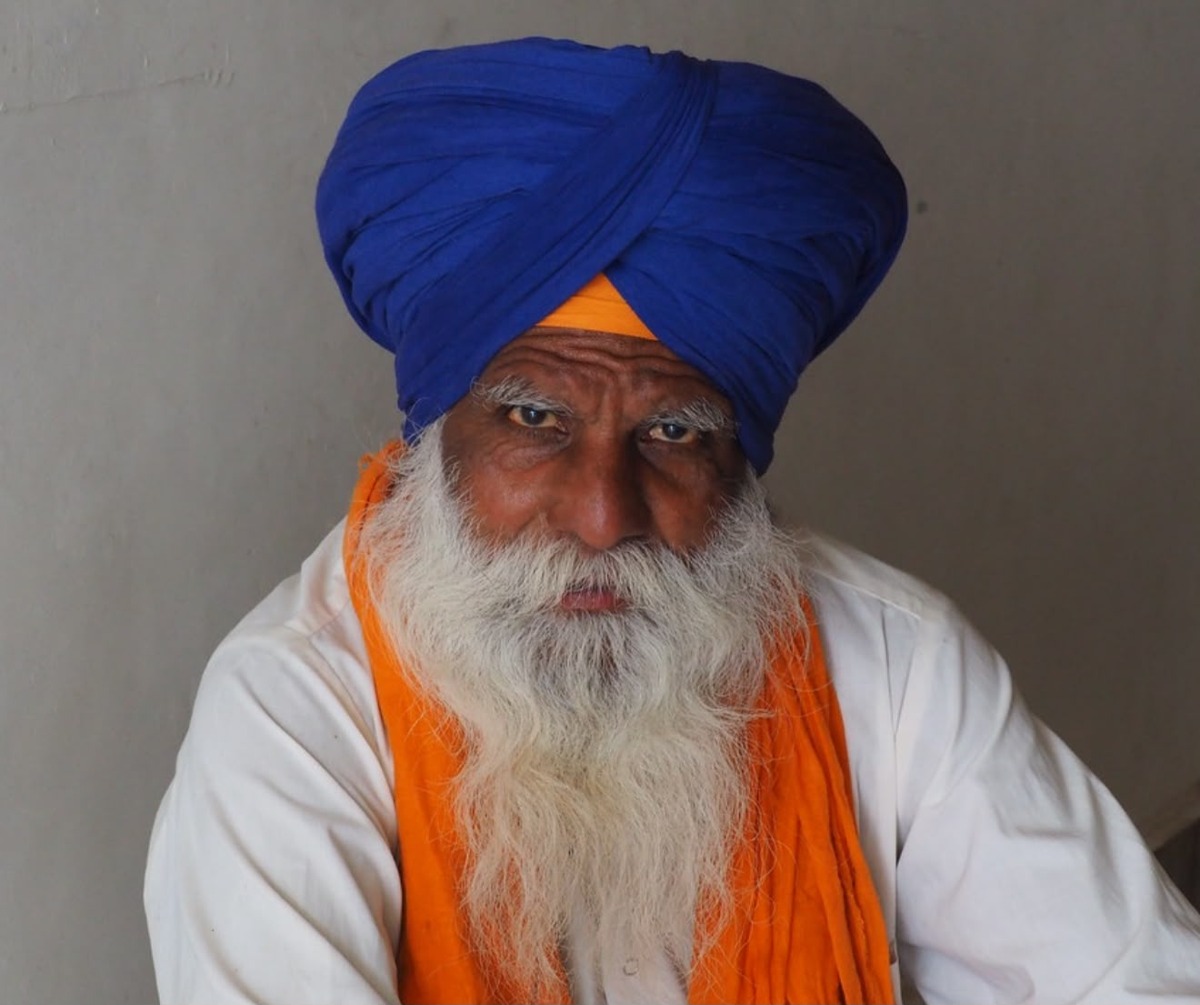
Community / Inheritance
The lime pit as a council
“The lime pit wasn’t just a place to mix mortar; it was our council. Sitting around it, masons shared their personal sorrows and joys, while apprentice…”
Read the testimony
Livelihood / Inheritance
Between inheritance and income
“I am trapped between two worlds. My father taught me the sacred art of lime, but to fill my family’s bellies, I am forced to work with cement. Every t…”
Read the testimony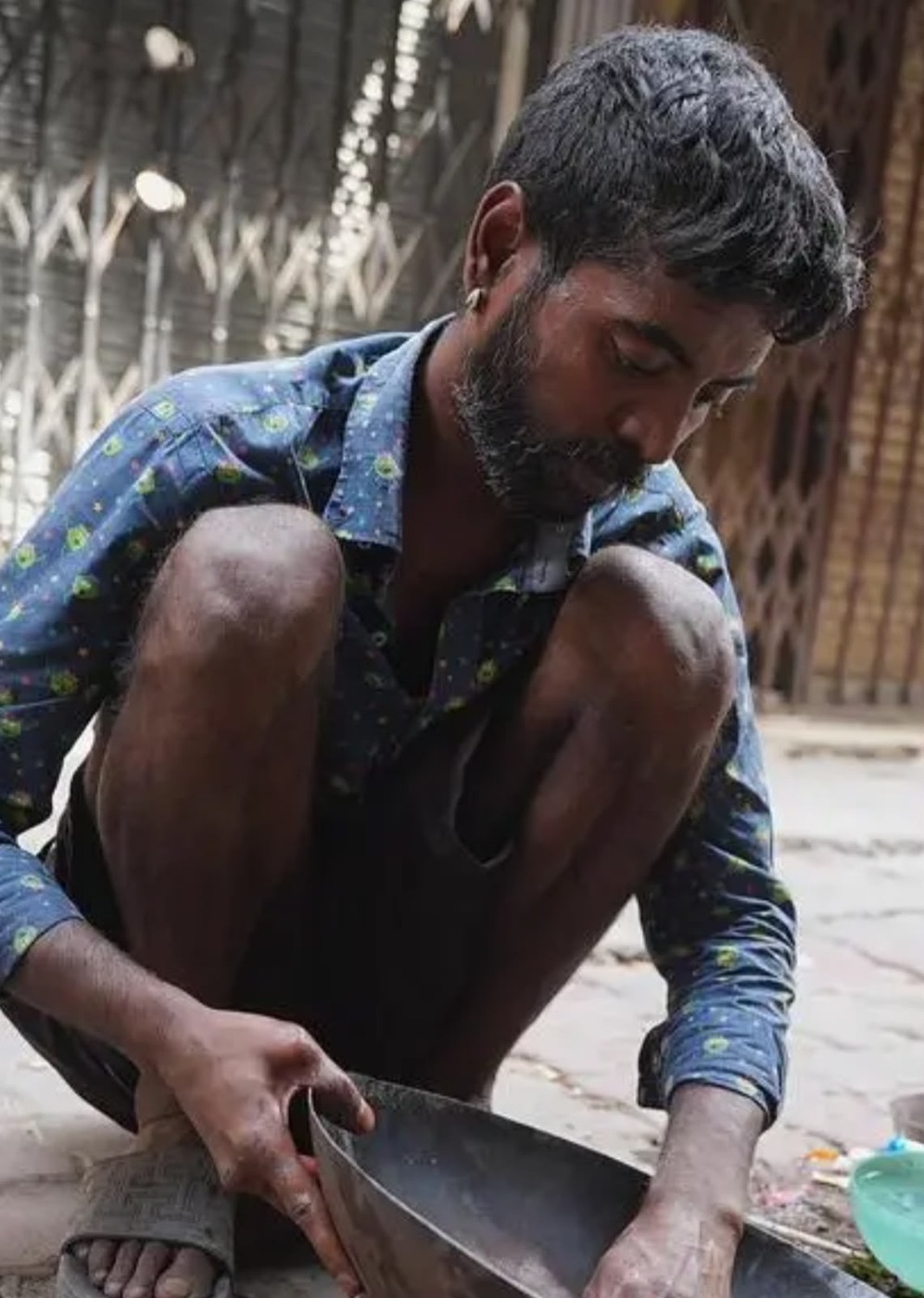
Materials / Identity
Living with the seasons
“Lime homes breathed. In summer, the interiors stayed naturally cool; in winter, warm. Today, people build concrete boxes and then bolt air conditioner…”
Read the testimony
Livelihood / Patience
When the deadline sets the material
“A client comes and demands, “I want my bungalow finished in 15 days.” Lime says, “I need 30 days just to mature in the pit.” When the race for time an…”
Read the testimony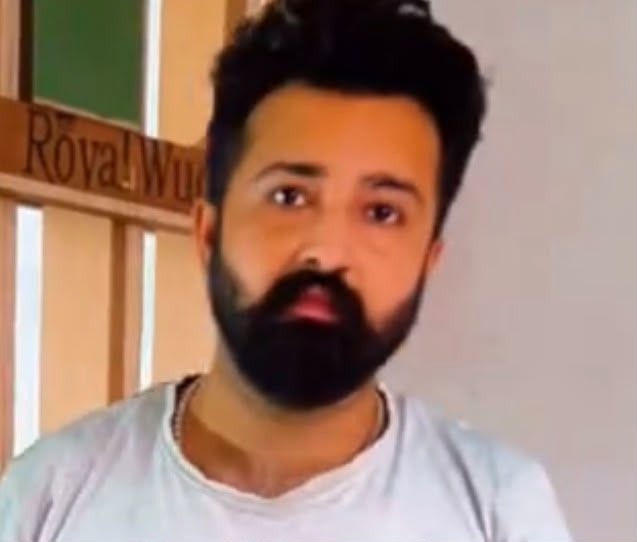
Identity / Sewa
Living artisans, beyond the museum
“Now, when a senior officer or heritage board summons us, they display us like museum exhibits—“Look, here is a traditional lime mason.” We were living…”
Read the testimonyLivelihood / Modern needs
A roof for ordinary families
“Look, lime has its own charm, but cement gave poor families a roof over their heads much faster. Earlier, building a small house took six long months …”
Read the testimonyModern needs / Materials
Building on a smaller footprint
“Our elders praise lime, and they aren’t wrong. But we also have to look at the realities of modern Amritsar. Plot sizes are small now; people need to …”
Read the testimonyHealth / Livelihood
Less strain, a steadier evening
“Working strictly with lime was backbreaking labor—beating plaster for weeks on end, hand-grinding heavy stones, standing knee-deep in slaking pits. Ce…”
Read the testimonyFamily / Sewa
The courtyard was part of the workshop
“Back then, he didn’t go to work alone; the whole household was connected to it. I remember when work on big Havelis or Gurdwaras was going on, I would…”
Read the testimonyFamily / Health
What work brings home
“Lime work was cooling and natural. Now with cement work, my husband’s hands and feet crack open, and his chest cough never stops. Cement has a harsh, …”
Read the testimonyFamily / Identity
Dignity at the household door
“Earlier, people would come to our house, bow with respect, and address him as “Ustad Ji.” The work lasted months, and there was grace (barkat) in the …”
Read the testimonyREADING ACROSS THE ACCOUNTS
Ujagar Lal and Ajay Sharma describe a broken chain between parent and child. Knowledge survives in hands, tools and remembered places; it needs opportunities to be practised, not only stored.
Balbir Singh links being called Ustad with recognised expertise. Its loss brings grief and sleeplessness in his testimony. Abhijot Bhullar asks whether heritage programmes value artisans as working people or as exhibits.
Wives recall preparing ingredients, supporting long jobs and protecting children’s futures. Their labour connects home and workshop; income uncertainty and health concerns shape decisions about inheritance.
Saddam Narayan and Harmandar Singh remember the lime pit as a shared social space. Conversation, collective learning and relationships across religious communities were part of work itself.
Manoj Kumar and Vijay describe conflict between the time a material needs and the time a client allows. The change concerns the rhythm of working life as well as the finished building.
Gurmeet Singh, Satnam Sharma and Harpreet “Debu” emphasise speed, small plots and physical relief. Preserving lime knowledge can coexist with recognising why households and workers choose other materials.
Alongside named accounts, the collection remembers lime preparation as devotion, mortar as a living material and the difficult decision to direct children towards other trades.
ਸਾਡੇ ਬਾਪੂ ਜੀ ਸਾਨੂੰ ਦੱਸਦੇ ਹੁੰਦੇ ਸੀ ਕਿ ਚੂਨੇ ਨੂੰ ਪਕਾਉਣਾ ਇੱਕ ਭਗਤੀ ਵਾਂਗ ਹੈ। ਗੁੜ, ਉੜਦ ਦੀ ਦਾਲ, ਅਤੇ ਮੇਥੀ ਦਾ ਘੋਲ ਪਾ ਕੇ ਜਦੋਂ ਚੂਨੇ ਨੂੰ ਖੱਡੇ ’ਚ ਮਹੀਨਿਆਂ ਬੱਧੀ ਪਿਓ ਕੇ ਰੱਖਦੇ ਸੀ, ਤਾਂ ਉਸ ’ਚੋਂ ਮੱਖਣ ਵਰਗੀ ਨਰਮੀ ਆਉਂਦੀ ਸੀ।“My father used to tell us that preparing lime was like a form of worship. When we soaked the lime in pits for months with jaggery, urad dal, and fenugreek water, it acquired a richness as smooth as butter.”
“ਚੂਨਾ ਕੋਈ ਰੇਤਾ-ਸੀਮਿੰਟ ਨਹੀਂ, ਇਹ ਤਾਂ ਜਿਉਂਦੀ ਚੀਜ਼ ਹੈ। ਜਿੰਨਾ ਪੁਰਾਣਾ ਹੁੰਦਾ ਹੈ, ਉੱਨਾ ਹੀ ਪੱਥਰ ਵਾਂਗ ਪੱਕਾ ਹੁੰਦਾ ਜਾਂਦਾ ਹੈ। ਸੀਮਿੰਟ ਤਾਂ 30-40 ਸਾਲਾਂ ਚ ਦਮ ਤੋੜ ਜਾਂਦਾ ਹੈ, ਪਰ ਸਾਡਾ ਚੂਨਾ ਸਦੀਆਂ ਤੱਕ ਸਾਹ ਲੈਂਦਾ ਹੈ।”“Lime isn’t just sand and cement; it’s a living thing. The older it gets, the stronger it turns, just like stone. Cement loses its strength in 30 or 40 years, but our lime breathes for centuries.”
“ਮੈਂ ਆਪਣੇ ਪੁੱਤ ਨੂੰ ਚੂਨੇ ਦਾ ਕੰਮ ਨਹੀਂ ਸਿਖਾਇਆ, ਉਸਨੂੰ ਸਿੱਧਾ ਸੀਮਿੰਟ ਅਤੇ ਲੱਕੜ (ਕਾਰਪੈਂਟਰੀ) ਦੇ ਕੰਮ ਚ ਪਾ ਦਿੱਤਾ। ਸਾਡੀਆਂ ਤਾਂ ਪੀੜ੍ਹੀਆਂ ਇਸੇ ਕੰਮ ਚ ਲੰਘ ਗਈਆਂ, ਪਰ ਹੁਣ ਲੋਕਾਂ ਨੂੰ ਚੂਨੇ ਦੀ ਕਦਰ ਹੀ ਨਹੀਂ ਰਹੀ। ਹਰ ਕੋਈ ਤੁਰੰਤ ਤਿਆਰ ਹੋਣ ਵਾਲੇ ਸੀਮਿੰਟ ਵਾਲੇ ਮਕਾਨ ਚਾਹੁੰਦਾ ਹੈ। ਹੁਣ ਤਾਂ ਸਾਨੂੰ ਕੋਈ ਪੁੱਛਦਾ ਵੀ ਨਹੀਂ। ਮਨ ਕਰਦਾ ਹੈ ਕਿ ਕਾਸ਼ ਉਹ ਪੁਰਾਣਾ ਸਮਾਂ ਵਾਪਸ ਆ ਜਾਵੇ ਜਦੋਂ ਬਾਪੂ ਜੀ ਨਾਲ ਦਿਹਾੜੀ ਤੇ ਜਾਂਦੇ ਸੀ ਅਤੇ ਲੋਕ ਇੱਜ਼ਤ ਨਾਲ ਉਸਤਾਦ ਜੀ ਕਹਿ ਕੇ ਬੁਲਾਉਂਦੇ ਸੀ।”“I didn’t even teach my son lime masonry; I put him straight into cement work and carpentry. Generations of our family spent their lives in this trade, but people no longer appreciate lime. Everyone wants quick cement houses now. Barely anyone hires us for lime work anymore. I long for the old days when I went to work with my father and people respectfully called us “Ustad Ji.””